
Peatlands in the Netherlands
The Netherlands is home to extensive peatlands, particularly in the low-lying regions of the western and northern parts of the country. These peat landscapes have developed over thousands of years and play an important role in carbon storage, water retention, biodiversity and the Dutch landscape.
Over the centuries, large parts of the Dutch peatlands have been drained and cultivated, mainly to make the land suitable for agriculture. Drainage exposes the peat to oxygen, causing it to oxidise and release CO₂ while the land surface gradually subsides. Today, this ongoing peat oxidation contributes an estimated 2–3% of the Netherlands’ total greenhouse gas emissions.
Restoring and preserving these peatlands is therefore an important challenge for the Netherlands. Raising water levels and developing new approaches to peatland management can help reduce emissions, slow subsidence and create opportunities for long-term carbon storage and nature restoration.
Projects
 Executed
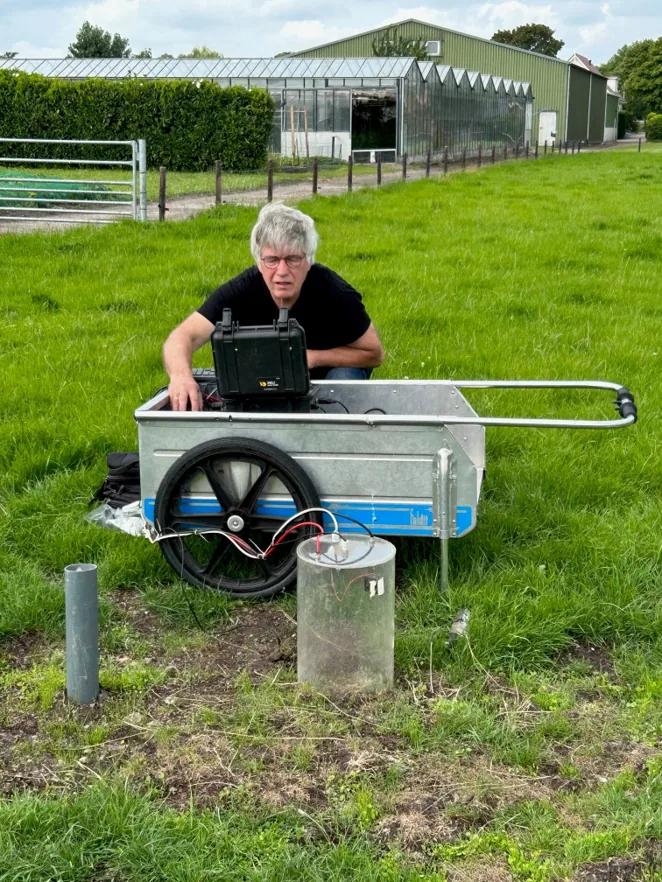
Research project Ter Aar 2023
Small-scale experiment demonstrating the storage capacity of peatland and its effectiveness in reducing greenhouse gas emissions.
View project →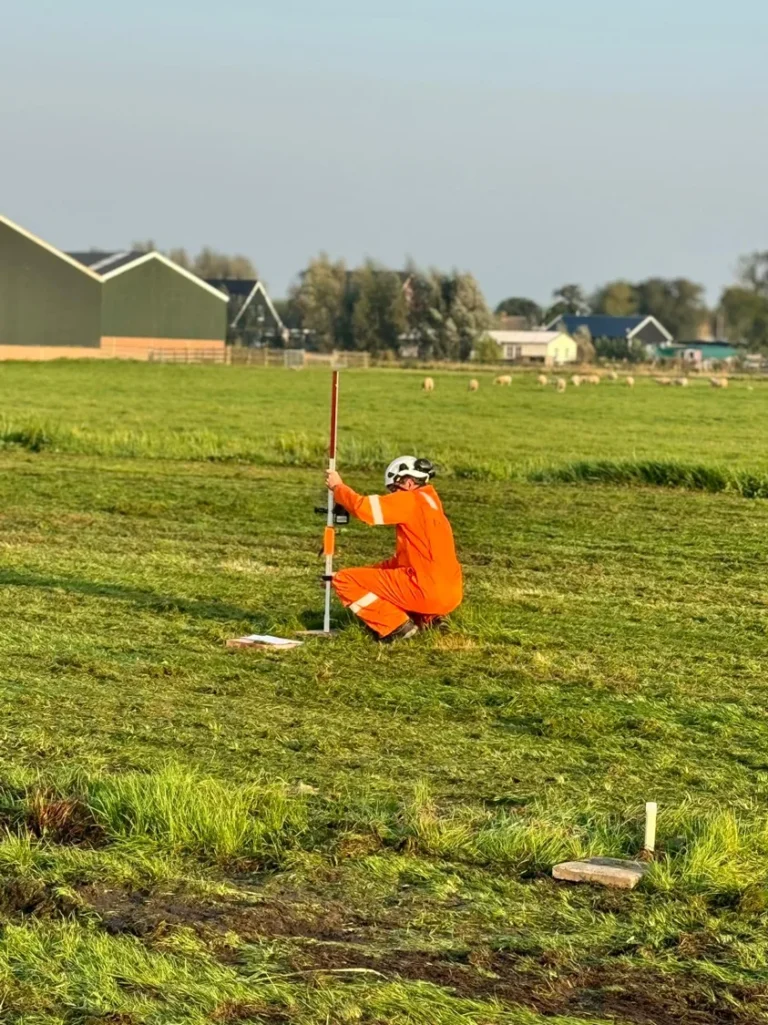 Executed
Full-scale project in Ter Aar
Demonstrating how locally sourced woody biomass can help restore peatlands, reduce subsidence and deliver long-term CO₂ removal.
View project →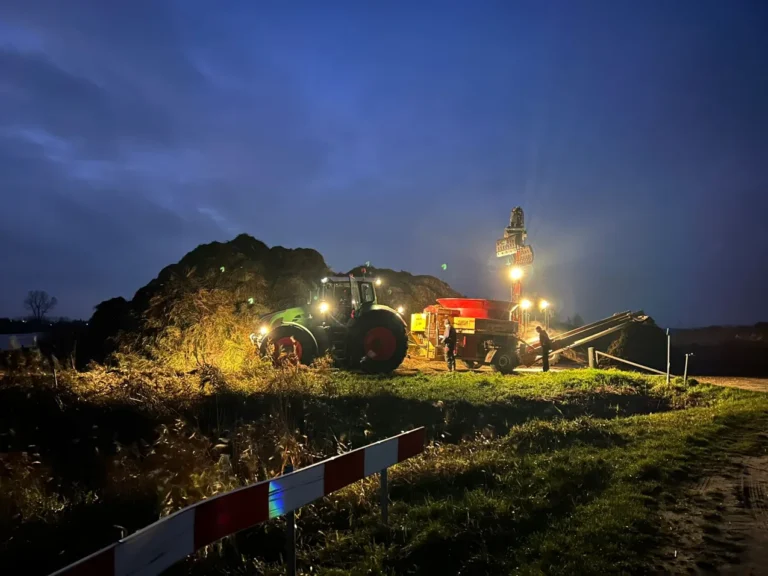 Executed
Full-scale project in De Wieden
In collaboration with Natuurmonumenten, demonstrating how locally sourced mowings and forest prunings can support biodiversity strategies and deliver long-term CO₂ removal.
View project →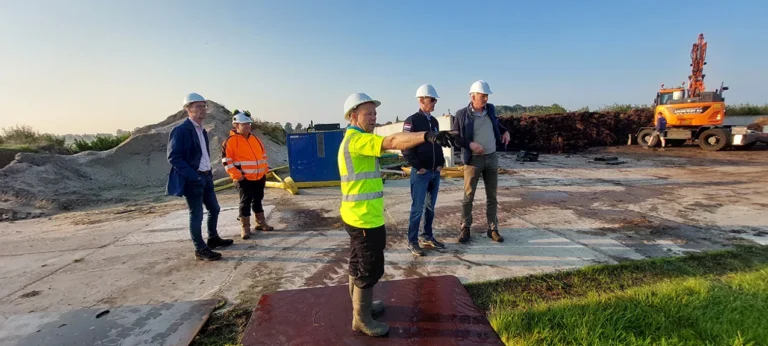 Ready to start
1,800 t CO₂eq Ter Aar Puro
Scaling up our previous experience, using the Puro.earth certification method.
View project →